

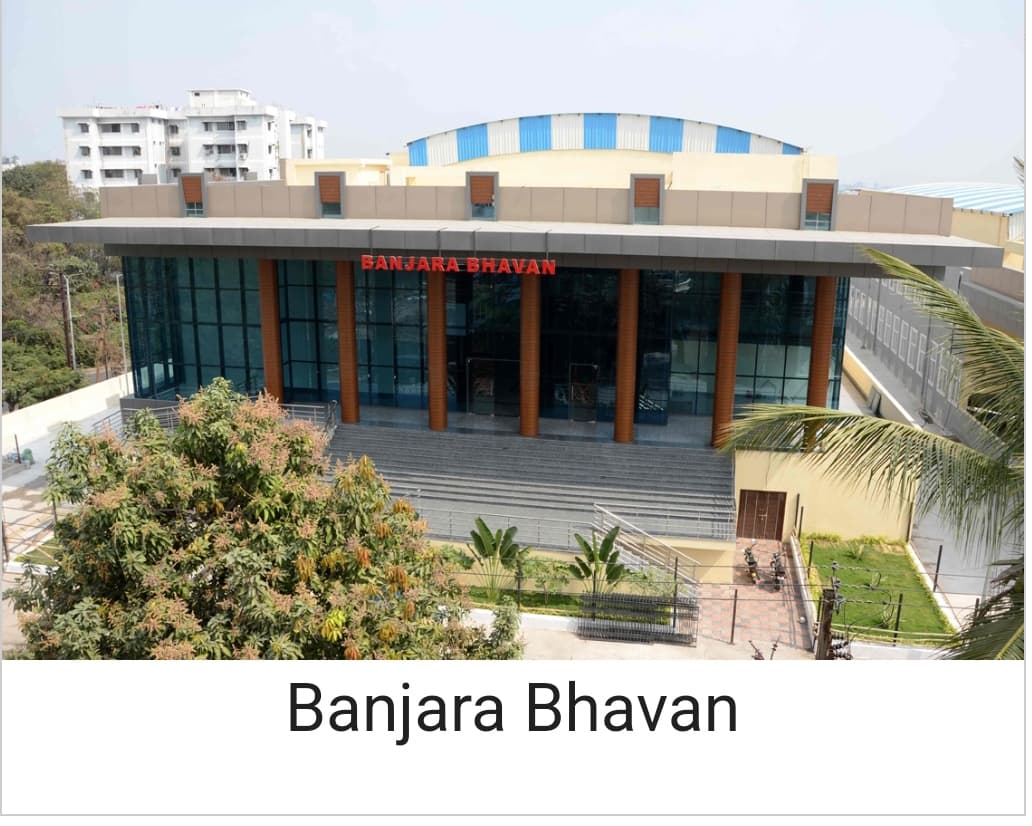
Featured · News
Poharadevi gatherings stay in public focus
Annual Jayanti-linked gatherings at Poharadevi continue to draw devotees and regional coverage — a standing news slot for consented photos and verified updates.
Read more →Ram Ram · Jai Sevalal
Our stories. Our heritage. Our future.
Sevabhaya wanted us to be like Kesula.
KESULA
Explore
Explore
Featured · News
Annual Jayanti-linked gatherings at Poharadevi continue to draw devotees and regional coverage — a standing news slot for consented photos and verified updates.
Read more →People
Sevalal Maharaj and Vasantrao Naik — living memory and public leadership in Gor Banjara history.
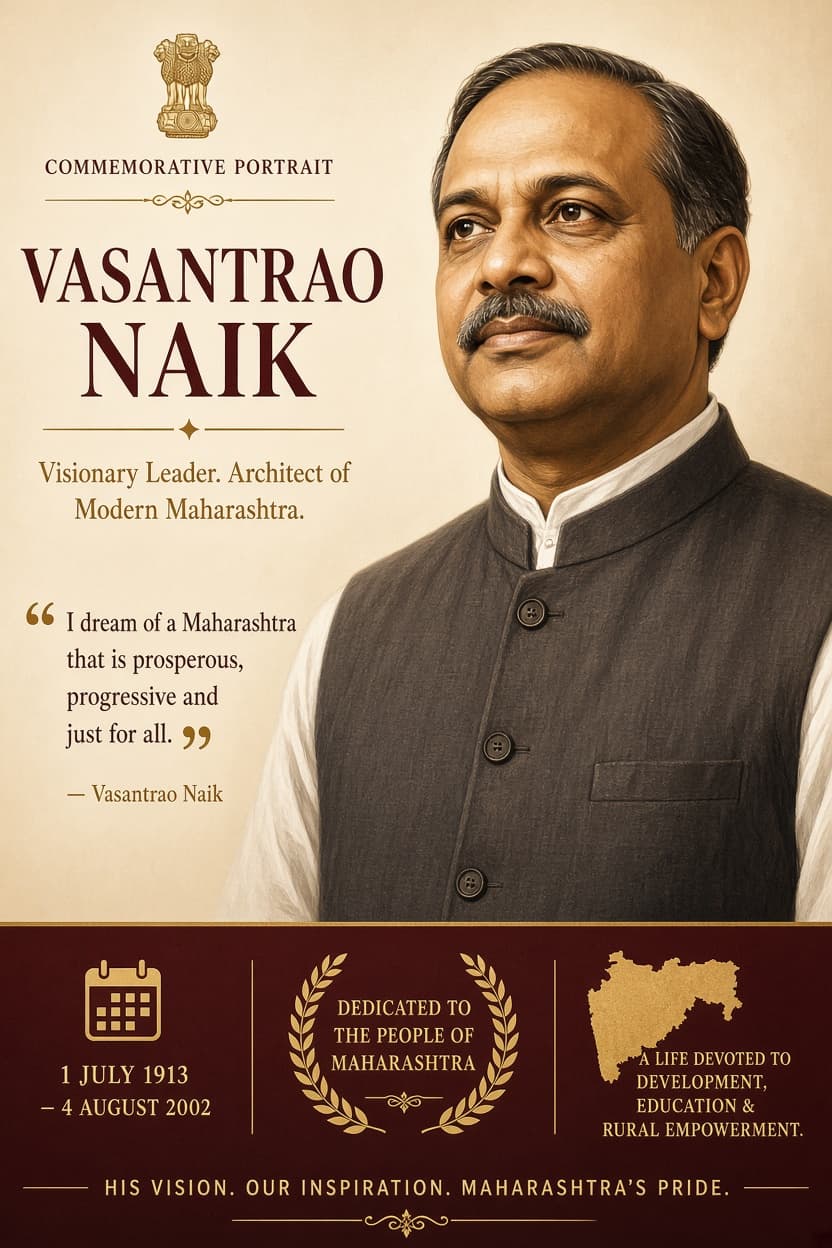
Chief Minister of Maharashtra (1963–1975) · Banjara leader and reformer
Longest-serving Chief Minister of Maharashtra. Born in a Banjara family in Gahuli near Pusad (Yavatmal). Remembered for agricultural modernisation, rural governance, and opening pathways for denotified and nomadic communities through education and policy.
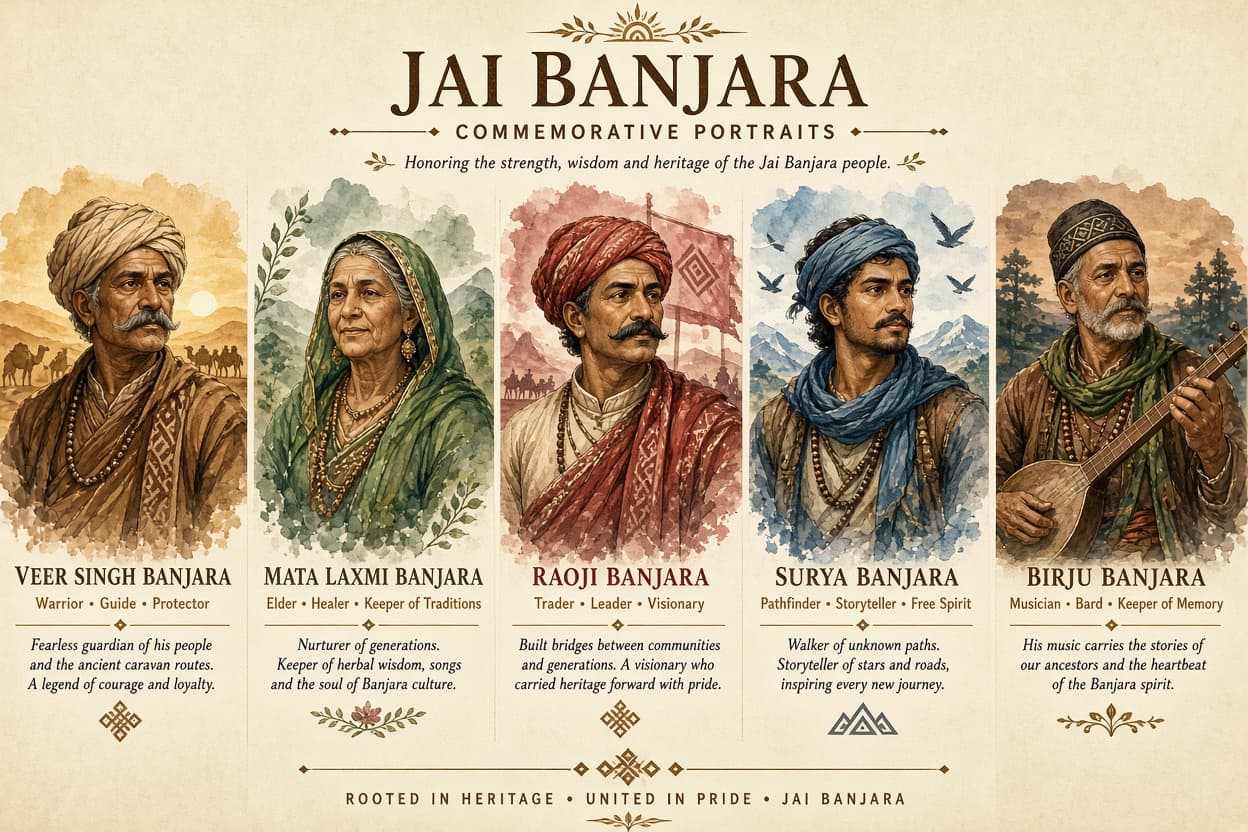
Tirumala devotee-saint · remembered in Banjara tradition with Hathiramji Mutt
Also called Hathiram Bhavaji / Hathiram Baba. Remembered as a devotee of Lord Venkateswara at Tirumala; the Hathiramji Mutt that grew around his memory later administered the temple (1843–1932) before TTD. Banjara tradition links his ashram to community pilgrimage and to Sant Sevalal Maharaj’s stay as Sevadas.
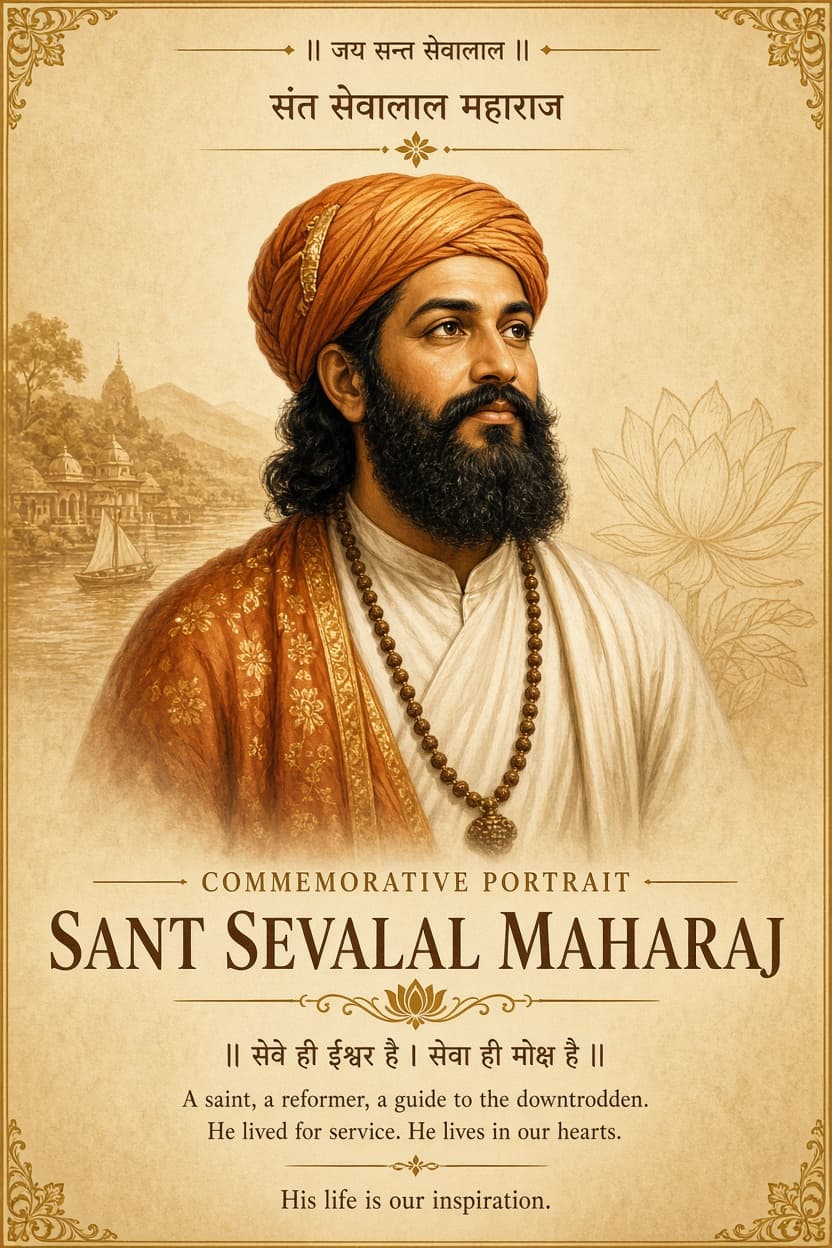
Spiritual guide and social reformer · also known as Sevabhaya
Revered by many Gor Banjara / Lambadi communities as a guru and reformer. Remembered for teaching service, opposing harmful customs, and shaping community identity. Exact local traditions about his life can vary by region.
News
Annual Jayanti-linked gatherings at Poharadevi continue to draw devotees and regional coverage — a standing news slot for consented photos and verified updates.
A neutral, review-only summary of publicly reported ST-status debates affecting Banjaras and Lambadis in Maharashtra and Telangana. Not an editorial endorsement.
Culture
Sevalal Jayanti, Holi, Teej, Diwali — living seasons of song, dress, and gathering across tandas.
February
Widely observed around mid-February (often cited as 15 February). Large gatherings at Poharadevi and many tandas with bhajans, processions, and community seva.
March
Among the most energetic community festivals in many settlements — folk songs, dance, and remembrance of Sevabhaya’s teachings of unity and service.
Shravan / August
Celebrated in many Gor Banjara families during Shravan with women’s gatherings, songs, and hopes for prosperity — local forms differ by region.
Oct–Nov
Seasonal festivals observed across regions with family gatherings, lamps, and community visits. Pair with local oral notes before publishing specifics.
Media
Permission-cleared audio and visuals when rights are ready. No autoplay.
Community
Contributions enter a private review queue. Nothing goes public without consent and rights clearance.
Start a contribution